Notice: Function Elementor\Core\Experiments\Manager::warn_removed_or_hidden_dependency was called incorrectly. Feature mega-menu depends on hidden experiment nested-elements. Please see Debugging in WordPress for more information. (This message was added in version 4.3.5.) in /home2/rvfxeate/chimneyserviceconifer.com/wp-includes/functions.php on line 6260

Warning: Cannot modify header information - headers already sent by (output started at /home2/rvfxeate/chimneyserviceconifer.com/wp-includes/functions.php:6260) in /home2/rvfxeate/chimneyserviceconifer.com/wp-includes/feed-rss2.php on line 8
Chimney Service Conifer – Sweep And Repair https://chimneyserviceconifer.com/ Chimney Service Conifer - Sweep And Repair Sun, 01 Sep 2024 16:03:02 +0000 en-US hourly 1 https://wordpress.org/?v=7.1.3 https://chimneyserviceconifer.com/wp-content/uploads/2023/11/Blue-White-Minimalist-Bold-Home-Repair-Service-Logo-7-150x150.png Chimney Service Conifer – Sweep And Repair https://chimneyserviceconifer.com/ 32 32 Chimney Flashing https://chimneyserviceconifer.com/2024/08/30/chimney-flashing/ https://chimneyserviceconifer.com/2024/08/30/chimney-flashing/#respond Fri, 30 Aug 2024 15:54:12 +0000 https://chimneyserviceconifer.com/?p=628 Key Insights on When to Repair Roof and Chimney Flashing Chimney flashing is part of the roofing system that contributes mostly to water leakage resistance and, therefore, the protection of adjoining areas. However, like other parts of a home, chimney flashing is not immune from degrading because of weathering, aging, and poor craftsmanship. All About […]

The post Chimney Flashing appeared first on Chimney Service Conifer - Sweep And Repair.

]]>

Key Insights on When to Repair Roof and Chimney Flashing

Chimney flashing is part of the roofing system that contributes mostly to water leakage resistance and, therefore, the protection of adjoining areas. However, like other parts of a home, chimney flashing is not immune from degrading because of weathering, aging, and poor craftsmanship.

All About Chimney Flashing 

Chimney flashing is a small metal strip or waterproof material fixed around the chimney where it is joined to the roof. Its main purpose is to ensure no water leaks and causes issues to the roof structure, paintwork, interior walls, and ceilings.  

Symptoms of Chimney Flashing Failure 


  1. Water Stains and Leaks: If a house owner is waiting for signs that can tell that his chimney flashing is failing, he should be informed that there are sometimes some signs that cannot be overlooked, such as water stains and leakage around the chimney.
  2. Rust or Deterioration: The metal in the chimney flashing can be worn away through time and may cause rust or deterioration, making it useless. 
  3. Cracked or Separated Flashing: Flashings can become old and crack due to extreme heat or cold, weathering effects, and other damages like improper installation of the flashing or the chimney. 
  4. Missing or Loose Caulking: The material applied around the gaps between the flashing and the chimney or roof is usually some sealant caulk, and these get old and erode, or they need to be installed properly and become detached. 

Advantages of Timely Repairs

  • Water Damage: If left unrepaired, water may cause drastic damage to your home, such as rotten wooden parts, mold forming on walls, and weakening parts or the whole structure. 
  • Roof Damage: This water intrusion can lead to damage to the roof’s plywood, insulation, metal, or other material that makes up the roof, and that results in expensive repairs or even the need to replace the roof much earlier than should usually be the case. 
  • Energy Inefficiency: Leaking water may damage the insulations in your attic or roof and affect the amount of heat that gets into your house from the outside, thus making it costly to heat or cool the house. 
  • Safety Hazards: Flashing that has eroded can let pests, insects, and small animals into your home, likely to cause health problems and endanger your life. 

Final Words

So, taking care of your chimney flashing is very important to prevent water damage and other problems that may come your way. Flashing failure often has subtle symptoms, so if you ever see its signs, it is wiser to go seek assistance immediately. 

When fixing or replacing chimney flashing, hiring a professional is best. Experienced roofers have the skills, tools, and know-how to assess your flashing’s condition and fix or replace it. They’ll get the job done right, saving you time and hassle.

The post Chimney Flashing appeared first on Chimney Service Conifer - Sweep And Repair.

]]>
https://chimneyserviceconifer.com/2024/08/30/chimney-flashing/feed/ 0 628
How to Clean a Chimney https://chimneyserviceconifer.com/2024/08/20/how-to-clean-a-chimney/ https://chimneyserviceconifer.com/2024/08/20/how-to-clean-a-chimney/#respond Tue, 20 Aug 2024 12:01:00 +0000 https://chimneyserviceconifer.com/?p=617 Chimney cleaning could at first glance look like an enormous job, but it has to be done to ensure that chimneys work properly and safely. A clean chimney means that your fireplace or wood stove functions efficiently without any risk of fire occurrence. Build-up of creosote and blockage can result in causing chimney fires. Gather […]

The post How to Clean a Chimney appeared first on Chimney Service Conifer - Sweep And Repair.

]]>

Chimney cleaning could at first glance look like an enormous job, but it has to be done to ensure that chimneys work properly and safely. A clean chimney means that your fireplace or wood stove functions efficiently without any risk of fire occurrence. Build-up of creosote and blockage can result in causing chimney fires.

Gather Your Supplies

As a starting step, organizing the required supplies to carry out a certain task is critical. You will need a chimney brush that fits your chimney well, extension rods, a sturdy ladder, a flashlight, a dust mask, and a tarp or drop cloth to clean your chimney. 

Consider having a vacuum cleaner on hand to clean up any debris. Moreover, safety goggles and gloves should be used to minimize exposure to soot and dust during this process. It will be easier if all you need for the job is well-prepared and within reach.

Prepare the Area

First, place a tarp or drop cloth on the floor near the fireplace so you can sweep or dust easily. Push any furniture and other objects from the access range to avoid contamination. This will make the cleanup process much easier and faster. 

Also, make sure that you are dressed in clothes that you do not care if they get messy. I assure you, that chimney cleaning can be a real nightmare, sometimes.

Inspect the Chimney

Light up the interior of your chimney with the help of a flashlight. Check for signs of buildup of creosote, which is black and flaky in appearance. Further, examine for any obstructions such as bird nests or leaves on the drain. 

If you feel there’s a big mess or obstruction, it is wise to consult a professional plumber. You should also ensure the chimney area is clear before cleaning it.

Clean from the Top Down

It is advisable to start cleaning the chimney from the top if it is safe to do so. Arrange for a ladder and proceed up to the top as the light should not be stable near the bulbs. Take the chimney brush and connect it to the extension rods. 

Gradually submerge the brush into the chimney and clean as many sides as possible. Be gentle and regular with the strokes to maximise the elimination of the creosote.

Clean from the Bottom Up

Once you are done cleaning from the top, go down into your house. Place the brush back on the extension rods and begin cleaning from the bottom up. Place the brush down the chimney and clean the walls by using up-and-down motions with the brush. 

This will help you to confirm that there is no trace of the creosote or any debris left in the chamber.

Clean the Fireplace and Surroundings

The final step involves using a vacuum cleaner to remove loose soot and debris on and around the fireplace. Afterward, ensure the tarp or drop cloth is folded without exposing the soot to other room parts. Make sure to dispose of the debris appropriately.

Final Inspection

Conclude with an examination of the chimney after cleaning. Shine your flashlight around the walls to look for any leftover creosote or obstructions. Ensure that the environment looks clean and uncluttered. 

If you notice any other areas that require more focus, use the brush on them again. Inspecting your chimney to the detail guarantees that the structure is safe for usage.

Final Say!

It can be a dirty business at times, but it is an important procedure that needs to be followed to get the best out of a fireplace. If you follow these guidelines, you can ensure your chimney is clean and ready for use. 

However, if there is a problem or it looks like it could, should, or would be a big job, then it is always best to call a professional to deal with it. They can provide professional cleaning and analysis to ensure your chimney is clean and ready for use. 

Have a good one, and keep warm around your fireplace!

The post How to Clean a Chimney appeared first on Chimney Service Conifer - Sweep And Repair.

]]>
https://chimneyserviceconifer.com/2024/08/20/how-to-clean-a-chimney/feed/ 0 617
Fireplace Inserts https://chimneyserviceconifer.com/2024/08/10/fireplace-inserts/ https://chimneyserviceconifer.com/2024/08/10/fireplace-inserts/#respond Sat, 10 Aug 2024 10:21:54 +0000 https://chimneyserviceconifer.com/?p=608 Electric Fireplace Inserts: A Comprehensive Guide to Modern Heating Solutions What do you do when you need a heating solution for your new home? More importantly, you want to keep that old-style charm. Still, the idea of a fireplace may be too difficult to maintain. That’s where electric fireplace inserts come in! They’re efficient, stylish, […]

The post Fireplace Inserts appeared first on Chimney Service Conifer - Sweep And Repair.

]]>

Electric Fireplace Inserts: A Comprehensive Guide to Modern Heating Solutions

What do you do when you need a heating solution for your new home? More importantly, you want to keep that old-style charm. Still, the idea of a fireplace may be too difficult to maintain. 

That’s where electric fireplace inserts come in! They’re efficient, stylish, and much more convenient than traditional fireplaces, making them the perfect easy-to-install, maintenance-free alternative. 

Let’s consider some things to remember when choosing a wood-burning fireplace insert instead of an actual wood-burning fireplace, shall we? After all, an informed decision is the best way to start your home-designing journey.

Why Choose Electric Fireplace Inserts?

There are a couple of reasons why gas fireplace inserts are a much more attractive option for modern homes than their traditional alternative.

Here are some of them:

  • You can easily install these fireplace inserts, often within a few hours. Traditional versions take more time since venting, and chimneys must be built with them. 
  • There’s no need to worry about constant cleaning or maintenance since there are no ashes, soot, or creosote.
  • Additionally, a wood-burning fireplace insert converts almost all the electricity it uses into heat, meaning it efficiently uses energy and lowers utility bills.
  • Finally, because electric fireplace inserts do not have open flames, they mean lower risks of house fires or harmful emissions like carbon monoxide.
  • What To Think About When Selecting An Electric Fireplace Insert?

    Of course, when selecting your perfect electric fireplace insert, you’ll want some features to be assured since they’ll be the best fit for your home. 

    Let’s go over a few of them:

    • First, check the BTU (British Thermal Unit) rating to ensure the insert provides a good enough level of heat output for your space. 
    • Secondly, consider checking for inserts with adjustable flame settings. That realistic flame technology makes the ambiance a lot better!
    • You’ll also want to choose a design that complements your décor and fits the dimensions of your existing fireplace, so if your home is giving you a more sleek outlook, check for fireplace inserts that follow the theme instead of sticking with traditional-looking ones that will ruin the overall expression of the room.  
    • If you’re also looking for more features and in-built extras, some electric inserts come with timers, remote controls, and sound effects for a more immersive experience – check them out if they sound good. 
    • Conclusion

      In simple words, electric fireplace inserts are a modern and stylish alternative to traditional fireplaces used to heat your home. They’re a good option for people who can’t manage the original. 

      However, if you have time and want to expend the effort and costs to keep your traditional fireplace, there’s nothing better! There’s just something about the rustic charm of a fireplace that modern convenience doesn’t understand (yet). 

      If your only problem is keeping that fireplace in prime condition, don’t worry – we have the perfect answer. 

      Visit the best Chimney Service in Conifer for chimney care and maintenance solutions!

      And if you still want to try out a new fireplace insert, don’t worry – reach out for a consultation, and they’ll help you find the best solution. 

The post Fireplace Inserts appeared first on Chimney Service Conifer - Sweep And Repair.

]]>
https://chimneyserviceconifer.com/2024/08/10/fireplace-inserts/feed/ 0 608
Chimney Liners https://chimneyserviceconifer.com/2024/07/30/chimney-liners/ https://chimneyserviceconifer.com/2024/07/30/chimney-liners/#respond Tue, 30 Jul 2024 10:09:07 +0000 https://chimneyserviceconifer.com/?p=599 Revamp Your Fireplace: The Ultimate Guide to Chimney Liners Do you find your fireplace less effective in warming your house than it once was? Or is a draft or noises coming from the chimney? It might be time to consider the unsung hero of the chimney system: the chimney liner. Discover why this component is […]

The post Chimney Liners appeared first on Chimney Service Conifer - Sweep And Repair.

]]>

Revamp Your Fireplace: The Ultimate Guide to Chimney Liners

Do you find your fireplace less effective in warming your house than it once was? Or is a draft or noises coming from the chimney? It might be time to consider the unsung hero of the chimney system: the chimney liner. 

Discover why this component is critical and how it helps maintain warmth and security within your home.

All About Chimney Liner

First, what is this chimney liner we are constantly told about? Simply put, a lining within the chimney system creates a separation between the fireplace and the chimney’s walls. It carries the smoke and gases produced in the fireplace flue out of the home, effectively insulating the structure from the heat and minimizing the chances of a chimney fire.

Why You Need a Chimney Liner

You might be wondering why a chimney flue liner is necessary. Here are a few compelling reasons:

  1. Safety First: The primary role of the chimney flue liner is to channel the combustion products out of the house safely. Without it, gases such as carbon monoxide may freely infiltrate the living area, which is dangerous to human health.
  2. Protect Your Home: A chimney flue liner also shields the chimney and its metallic parts from the hazardous results of smoking wood. This leads to the chimney requiring fewer repairs or replacements, thus increasing its overall lifespan.
  3. Improved Efficiency: A fireplace flue liner will also work to improve the efficiency of the fireplace or the furnace. It enables the heating system to work most effectively by creating a way through which gases are allowed to escape.

There are mainly three chimney liners: Clay tiles, Metals, and Cast-in-place. All of them have their benefits and limitations.

  • Clay Tile Liners

These are the most common types found in older homes. They are long-lasting but may chip when exposed to high temperatures or fire from the chimney.

  • Metal Liners

Constructed from top-quality materials such as stainless steel or aluminum, these liners are ideal for installing or repairing new chimneys. They are durable and able to withstand high temperatures.

  • Cast-in-Place Liners

These are poured into the chimney, giving it a smooth, lined surface that serves as an insulator. They are effective but more costly and time-consuming to implement than other security measures.

Signs You Need a New Chimney Liner

How can you tell when it’s time to replace the chimney liner? Here are some signs to watch out for:

  • Cracked Flue Tiles: If fragments of the chimney flue or the fireplace flue are discovered in the fireplace, then the liner means the liner is wearing off.
  • Rust: When there is rust on the damper or firebox, it shows moisture issues, which could indicate that the liner is an issue.
  • Inefficient Heating: If the fireplace puts out less heat than in the past, the liner could be compromised or installed incorrectly.

Replacement Process

Replacing a chimney flue liner may sound complicated, but given the proper personnel, it is more of a doable ordeal. Typically, the process involves:

  1. Inspection: A thorough inspection to assess the current condition of the chimney liner.
  2. Removal: Carefully remove the old, damaged liner.
  3. Installation: Installing the new liner, whether it’s metal, clay, or cast-in-place.

    Trust the Experts

    Regarding something as crucial as home safety, it would be nice to be in good company. Chimney Services Conifer has provided chimney sweeps and repair services for over seven years; the team is certified, reputable, and happy to address all the questions. Free inspections are also given to reassure people.

    Therefore, if there is a suspicion that the chimney liner will require maintenance, do not wait to call. The proper care of the chimney flue liner is important to have a safe and warm home all year round. 

    Call Chimney Services Conifer right now and make sure the fireplace is prepared to warm up the house for the whole winter.

The post Chimney Liners appeared first on Chimney Service Conifer - Sweep And Repair.

]]>
https://chimneyserviceconifer.com/2024/07/30/chimney-liners/feed/ 0 599
Chimney Chase https://chimneyserviceconifer.com/2024/07/07/chimney-chase/ https://chimneyserviceconifer.com/2024/07/07/chimney-chase/#respond Sun, 07 Jul 2024 16:53:10 +0000 https://chimneyserviceconifer.com/?p=528 What you need to know about chimney chase covers Chimney chase covers are fundamental to protect not only the top of your chimney but also its sides. A cover is important to help eliminate water absorption on surfaces making it slide off without compromising the chimney’s structure. It is also relevant against animals such as […]

The post Chimney Chase appeared first on Chimney Service Conifer - Sweep And Repair.

]]>

What you need to know about chimney chase covers

Chimney chase covers are fundamental to protect not only the top
of your chimney but also its sides. A cover is important to help eliminate
water absorption on surfaces making it slide off without compromising
the chimney’s structure. It is also relevant against animals such as birds
and bats from entering your house through the chimney. Chimney chase
covers are basically situated on top of your chimney and is visible from
the outside.

Chimney Crown VS Chimney Chase Cover

You might be wondering what the difference between a chase cover
and a chimney crown is. They are almost the same thing but what differs
them is the material in which they are made of. Chimney chase covers are
made of metal, the best option being stainless steel to avoid stain, rust and
water leaks.
On the other hand, a crown is made of concrete usually used on
masonry chimneys. It basically has the same function of a chase cover,
however, in some cases, it needs to be repaired and sealed more often to
avoid cracks and help with water deflection.

Leaking & Rusting Chimney

Leaking chimney chase covers can occur, and that is due to cheap
materials or even improper installation. If they are not installed properly
or cut correctly it will cause water or snow to enter your chimney through
its gap. If you notice water coming in your chimney, damp bricks, white
stains, discoloration or any type of moisture, make sure to contact a
professional and they will be able to detect its cause. Your crown or chase
cover might need to be patched, rebuild or reinstalled.

Significant signs your chimney needs attention

As mentioned previously, there are some important signs you should
not miss that your chimney needs attention. Some of the main signs
includes, but are not limited to:
White bricks: White bricks is a result of moisture; It is a sign of leakage.
If you start noticing some white spots on your bricks, it is time to act,
otherwise, your bricks will act like sponges absorbing more of that
moisture leading to a great damage.
o Discolored bricks
o Rust
o Gaps in the mortar
If you experience excessive presence of rust, water and debris in the
fireplace or chimney it is time to call a professional. Usually chimney
chase covers that are made of galvanized steel, steel that is covered with
zinc, tends to have a less durability that can last up to 5 years.
As mentioned in the beginning of this article, upgrading to stainless
steel or copper are much more beneficial and stronger resulting in a
lifetime effectiveness.
Prepare your fireplace for winter, keep your chimney warmer and dry
before the hard days to come! It is recommended to address all these
factors during warmer seasons to prevent unwanted issues in the cold
days. Take time to check your chimney chase cover, bricks, liners and do
not forget to sweep!

The post Chimney Chase appeared first on Chimney Service Conifer - Sweep And Repair.

]]>
https://chimneyserviceconifer.com/2024/07/07/chimney-chase/feed/ 0 528
Chimney Crown https://chimneyserviceconifer.com/2024/06/17/chimney-crown/ https://chimneyserviceconifer.com/2024/06/17/chimney-crown/#respond Mon, 17 Jun 2024 21:44:41 +0000 https://chimneyserviceconifer.com/?p=418 Are you concerned about attaining detailed information about chimney crowns? Then, this is the right place to get yourself with every single detail about it. Introduction Do you own a chimney but don’t know when your chimney crown needs repair or rebuild? If so, then this article is a thorough guide to explain what a […]

The post Chimney Crown appeared first on Chimney Service Conifer - Sweep And Repair.

]]>

Are you concerned about attaining detailed information about chimney crowns? Then, this is the right place to get yourself with every single detail about it.

Introduction

Do you own a chimney but don’t know when your chimney crown needs repair or rebuild? If so, then this article is a thorough guide to explain what a chimney crown is, how it’s important, and when it should be fixed. Observing the crown from the top, standing on the floor, can never detect if your crown is damaged and needs repair. When the damage reaches a critical point, water leakage becomes a noticeable and sure sign that a problem with the chimney crown has occurred. This comprehensive guide will help you explore all the aspects of the chimney crown and what to do when it gets damaged.
 

What is a Chimney Crown?

The chimney crown is a little bit sloped, and the most important part of the chimney system is made of concrete. This area or covering exists around the top of the chimney and presents as an “Umbrella” of the complete chimney system. But it should not be confused with the chimney cap, which is an attachment connected to the top of the flue file and helps to keep deposits out of the chimney flue. 

The chimney crown is present at the top of the masonry walls of the fireplace with a small concrete roof and restricts water from seeping into the mortar and bricks that make up your entire chimney structure. The chimney crown with a simple construction saves thousands of dollars for chimney owners who spend on expensive water damage repairs, rebuilds, or replacements.
 

Why Chimney Crown is Considered Important?

A chimney crown in well-maintained condition aids in protecting your chimney from potential water damage, avoids the likelihood of fire, and helps sustain the chimney’s longevity. Without a properly constructed chimney crown, it’s much easier for water to seep into the flue. Except for that, moisture makes the condition of the mortar and brick of your chimney worse and results in masonry instability. So, costly repairs become a need, and sometimes, the collapse of your chimney and roof occurs. 

 
Chimney Crown Repair:
If the top of the chimney crown has noticeable cracks, it needs to be repaired and sealed. Otherwise, cracks cause leakage and eventually will destroy the entire chimney. Most chimney owners don’t think about maintaining their chimneys except for occasional flue cleaning. However, ignorance results in costly options like chimney crown repair. Chimney crown meets up with weather damage as it comes in direct contact with weather fluctuations like heavy rainfall, so it gets damaged with exposure to harsh elements and water. If you observe an accumulation of water on top of the chimney crown, don’t delay its repair. 
You can do repair the chimney crown by yourself, but the recommendation is to hire the services of an experienced, licensed, and certified team of experts to perform the repair professionally after proper inspection. Because you are a novice, chimney crowns do not function, they are just there as a protective object against water that goes to the structure/foundation. In return, you will have to pay more for repair services. A team of experts, after analyzing the chimney crown, deeply suggested that it needs repair or minor improvements. A high-quality chimney crown lasts up to 50 to 75 years and works efficiently as a water-protector. 
On the other hand, a poorly constructed chimney crown by inexperienced hands breaks down in less than 1 yearul. Eventually, it costs much more to rebuild than an accurately constructed chimney crown. Along with the crown repair, staff inspects the whole chimney and recommends what your chimney demands right now. 
 
Chimney Crown Rebuild:
Unfortunately, some people repair chimney crowns by stroking a new mortar coating at the top. However, they are unaware that if water enters between these coatings, the damage will only increase. The condition also gets worse when the edges of the chimney crown lift away from the brick. If your chimney is already constructed poorly, then it’s on its way to demanding expensive rebuilding work. To save yourself from extensive restoration work and for the sake of your comfort, always opt for professional evaluation and rebuilding it with quality materials. You must focus on utilizing flexible sealant to cover up minor cracks. 
However, larger cracks or in case your chimney has reached extensive damage, or pieces broken off your crowns, and large spaces have been created between the walls of the chimney and the flue, then it’s a sure sign that rebuilding the crown is the only option left. Bear in mind that if rebuilding is not executed on time, then replacement is the single option left behind. Complete replacement of the chimney crown is the most expensive option. 
What does crown rebuild mean? A crown rebuild means clearing out the damaged crown and constructing a new crown, as well as building a chimney cap to ensure the long-lasting effectiveness of the entire chimney. Most of the time, chimney crown rebuild needs a call to professional services. Always focus on contacting a reliable company that is authorized, experienced, and licensed. The professionals are equipped up with the essential tools and experience to take care of your chimney crown safely and accurately. Otherwise, a chimney owner can end up destroying the chimney crown, and in turn, collapse may occur.
 
Conclusion:

Putting all the details under one roof, this guide is a comprehensive approach to obtaining all the must-to-know information regarding chimney crowns. Every aspect has been discussed, from the basic purpose of a chimney crown to its benefits as a water protector and when it needs to be repaired or rebuilt. In short, regular maintenance of the chimney crown can prevent extensive damages and costly restoration. The chimney crown is not being sweeped, there’s simply no such thing. However, the chimney crown, being a top part and directly exposed to harsh weather and elements, gets damaged with time. So, it’s better to hire services of professional, insured, and trained staff for thorough inspection, cleaning, and repairing or rebuilding of chimney crowns as needed.

The post Chimney Crown appeared first on Chimney Service Conifer - Sweep And Repair.

]]>
https://chimneyserviceconifer.com/2024/06/17/chimney-crown/feed/ 0 418
Fireplace Cleaning Logs https://chimneyserviceconifer.com/2024/06/08/fireplace-cleaning-logs/ https://chimneyserviceconifer.com/2024/06/08/fireplace-cleaning-logs/#respond Sat, 08 Jun 2024 15:30:17 +0000 https://chimneyserviceconifer.com/?p=406 Introduction Are you looking forward to an effective way to clean your chimney? Then, this is the right place to go through vital details of chimney cleaning logs. Do you want to get rid of hazardous creosote plugs in your chimneys? If yes, then creosote sweeping logs are perfectly suitable for you to clean your […]

The post Fireplace Cleaning Logs appeared first on Chimney Service Conifer - Sweep And Repair.

]]>

Introduction

Are you looking forward to an effective way to clean your chimney? Then, this is the right place to go through vital details of chimney cleaning logs.
Do you want to get rid of hazardous creosote plugs in your chimneys? If yes, then creosote sweeping logs are perfectly suitable for you to clean your chimney regularly. The combustible creosote buildup is always ready to catch fire and has caused a lot of fire incidents before. So, its early removal is recommended for the family’s safety, and cleaning logs perform their function effectively and easily to detach them from the chimney flue. However, don’t compare it with professional sweeping; it’s necessary to execute at least once a year. Let’s move toward all the details of the fireplace cleaning logs.

What Do Chimney Logs Do?

Creosote is a residue of smoke, water, and other chemicals remaining in chimneys when adequate airflow is not maintained in chimneys. This deposit starves the fire quickly. Chimney sweeping logs are particular chimney cleaning tools that work through the emission of specialized chemicals dissolving the inside chimney’s creosote deposit. To utilize their functional capability, start the fire and burn the log for almost 2 hours. In return, the debris crust begins to break down because of a chemical reaction with creosote. On completing the time limit of 2 hours, turn off the fire. When the chimney gets cooled, start cleaning the flaky substances of creosote fallen with the help of a brush or a vacuum.

Do Cleaning Logs Really Work?

Creosote accumulation appears in chimneys in 3 stages. 

Stage 1: In this stage, creosote is a powdery or sooty material that is much easier to remove with a brush.

Stage 2: The flakes of creosote are blended with stiffened tar that requires cleaning tools for removal.

Stage 3: This is the hardened stage, which is too difficult to remove.

Creosote sweeping logs not only prevent the risk of fire but also help to reduce debris accumulation along the chimney pipes. Creosote buildup, if it stays for a longer time, becomes highly flammable and may cause chimney fires. Cleaning logs are a go-to choice for chimney owners for safe use. These logs work effectively and are simple to use. You just have to unwrap the log and burn it in a wood-burning fireplace. Logs release chemical additives that function to turn sticky debris into flakes that can be easily removed.

Are Cleaning Logs Safe?

Chimney clean logs are safe to use, but there are a few precautions that must be followed for their usage. By employing these safety measures, logs will also work more effectively. Let’s take a glance at all.

⦁ Before using the log, verify its compatibility with your chimney type. Every log doesn’t apply to different types of fireplaces.

⦁ Don’t use logs when first lighting after the summer season. Before using logs, ensure proper draft after two or three burns.

⦁ Hold the damper open and inspect for any blockage before burning the chimney clean log.

⦁ It’s a must to follow the directions on the package of the sweeping log’s.

Advantages of Chimney Cleaning Logs

The accurate use of Chimney sweep logs bestows a lot of benefits. These include:

⦁ Sweeping logs keep your chimneys clean and maintained.

⦁ Its use saves your money when you spend on heating costs because a cleaning log keeps the perfect balance of air leaking in or out. In this way, the efficiency of chimneys also increases.

⦁ Other benefits of logs include reduced chances of fire, prevention of blockages due to creosote, and maintaining better air quality at your place.

Disadvantages of Chimney Cleaning Logs

There are a few drawbacks to using sweeping logs. Let’s have a look.

⦁ Soot deposit is a major issue in coal and oil-activated chimneys. However, fireplace-cleaning logs are mostly compatible with wood-burning chimneys. Most logs are not applicable for propane fireplaces or natural gas-powered chimneys.

⦁ The logs raise a lot of safety concerns, like chimney explosions. When the log works, some particles of unscathed creosote also fall. Because of its combustible nature, deposits can cause fire spurts in chimneys.

⦁ The logs fail to remove heavy obstructions/blockages in fireplaces. However, they contribute mainly to the reduction of debris.

How Often Should You Clean a Chimney?

The question of this answer depends on how much you use your fireplace. Instead of just going for an annual professional sweep, clean your chimneys with cleaning logs after 50-60 fires. Consider soot deposit on your chimney; if the creosote layer is 1/8 inch or exceeds, it’s time to clean your chimneys. Except for that, a strong odor also indicates that cleaning is mandatory. The creosote encrusting smells sharp and suffocating. All the above factors are indicators that your chimney needs cleaning logs.

When to Hire a Chimney Sweep?

When to hire a chimney sweep is a main concern of chimney owners. If you hire professional sweeping during winter, you might be bothered by long wait times. Chimneys are regularly used in the winter season, and most people hire sweep services then. The recommended time of annual professional sweeping is in the early winter, which means before starting the use of fireplaces. However, better and more efficient performance of chimneys requires qualified sweeping once a year. 

Note: If you hire sweep services at the last minute, it will cost more. It would be better to book your appointment in a timely manner and take advantage of the seasonal discounts that most companies providing chimney cleaning services offer.

Conclusion:

Concluding all the details within comprehensive words, chimney clean logs are effective in breaking down the sticky tar-like substances into the loose or powdery form of creosote. Along with functional efficiency, these are simple and easy to use. Always consider the safety measures before utilizing cleaning logs to sweep fireplaces for the sake of the family’s protection. Undoubtedly, chimney cleaning logs are the go-to choice for chimney owners, but they can’t be a substitute for an annual professional cleaning. 

The post Fireplace Cleaning Logs appeared first on Chimney Service Conifer - Sweep And Repair.

]]>
https://chimneyserviceconifer.com/2024/06/08/fireplace-cleaning-logs/feed/ 0 406
10 Questions for Chimney Cleaning Service 2023 https://chimneyserviceconifer.com/2023/11/29/questions-for-chimney-cleaning/ https://chimneyserviceconifer.com/2023/11/29/questions-for-chimney-cleaning/#respond Wed, 29 Nov 2023 06:21:29 +0000 http://DonlineDanChimney Introduction: Expert Insights into Chimney Cleaning Services From Our Experience to Your Home As a company deeply rooted in chimney maintenance, we’ve encountered numerous questions from homeowners about our cleaning process. Each query reflects a homeowner’s concern for their home’s safety and functionality. Drawing from our years of experience, we aim to empower you with […]

The post 10 Questions for Chimney Cleaning Service 2023 appeared first on Chimney Service Conifer - Sweep And Repair.

]]>
Introduction: Expert Insights into Chimney Cleaning Services

From Our Experience to Your Home

As a company deeply rooted in chimney maintenance, we’ve encountered numerous questions from homeowners about our cleaning process. Each query reflects a homeowner’s concern for their home’s safety and functionality. Drawing from our years of experience, we aim to empower you with the knowledge you need. Here are the ten critical questions we encourage every homeowner to ask and our insights on each.
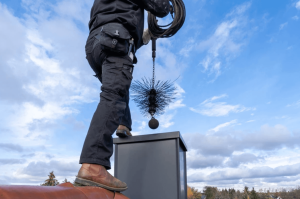
 

chimney sweep project in Littleton


1. What Will You Do to Clean the Chimney?

Our Comprehensive Approach

We believe in transparency. Our typical procedure involves a step-by-step method that not only thoroughly cleans your chimney but also ensures the protection of your household. From setting up protective coverings to the detailed cleaning process, we cover all bases for a hassle-free experience.


2. Is There Just Soot in the Chimney, or Is There Creosote, Too?

Identifying and Addressing Hazards

Distinguishing between soot and creosote is crucial in our work. While soot is a common by-product of burning that we clean regularly, creosote poses a greater risk due to its flammability. Our expertise allows us to safely remove creosote and advise you on preventing its buildup.


3. Can You Inspect/Clean Other Flues in My House Beside the Fireplace?

Comprehensive Service Offerings

We often find that customers must know that we can inspect and clean other flues in their homes. Whether your furnace or water heater flues, we offer a complete check-up. Bundling these services can often be more cost-effective for homeowners.


4. How Long Chimney Cleaning Takes?

Setting Expectations

The duration of cleaning can vary. A typical cleaning takes about 45 minutes to an hour. Still, creosote, blockages, or flue damage can extend this. We always keep our customers informed, ensuring there are no surprises.


5. Do You Inspect the Chimney, Too?

Beyond Just Cleaning

Inspection is a critical part of our service. While cleaning is essential, inspecting the chimney for any unsafe conditions or necessary repairs is equally important. We make sure that this is a part of our standard service package.


6. How Often Should I Have My Chimney Cleaned?

Personalized Cleaning Schedules

We assess each chimney’s cleaning needs based on individual usage patterns and the type of fireplace or stove. Generally, we recommend annual cleanings for regular users, but this can vary. We aim to tailor our services to your unique needs for optimal safety and performance.
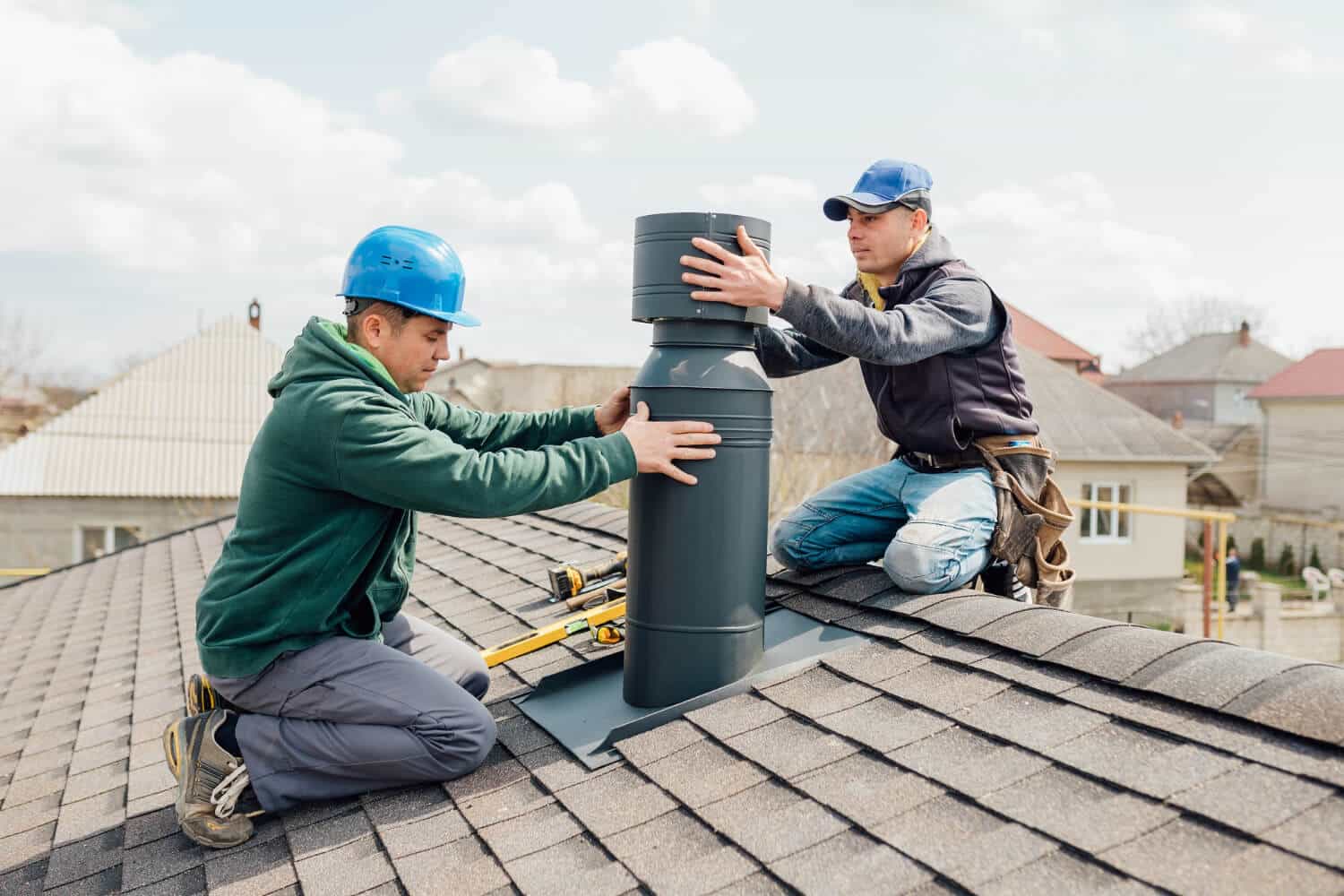


7. How Much Do You Charge?

Clear and Fair Pricing

Our pricing is transparent and comprehensive. We ensure that homeowners understand what they are paying for, whether it’s just cleaning or includes a full inspection. We believe in providing value without hidden costs.


8. What Certifications Do You Have?

Certified and Trusted Professionals

Certifications matter in our field. Our team proudly holds certifications from recognized bodies. These credentials reflect our expertise and commitment to staying updated with the latest chimney safety and maintenance.


9. How Long Have You Been in Business?

Demonstrating Our Experience

Our company’s longevity speaks to our experience and reliability. Being in the business for several years, we’ve honed our skills and built a reputation for quality service. Our extensive knowledge allows us to handle various chimney conditions effectively.


10. Will You Have to Go on the Roof?

Flexible Cleaning Methods

We adapt our cleaning methods to each situation. Whether we clean from the top down or bottom up depends on the specific chimney structure and condition. We take great care to ensure that our processes, including ladders or equipment, do not harm your property’s landscaping or exterior.


This article showcases the top 10 questions to ask a professional chimney sweep company.

Discover essential questions to ask your chimney cleaning professional for safe, efficient service. Our expert guide covers everything from cleaning methods to certifications, helping you ensure a thorough and reliable chimney maintenance experience.

The post 10 Questions for Chimney Cleaning Service 2023 appeared first on Chimney Service Conifer - Sweep And Repair.

]]>
https://chimneyserviceconifer.com/2023/11/29/questions-for-chimney-cleaning/feed/ 0 43
DIY VS PRO Repairing Bricks Chimneys https://chimneyserviceconifer.com/2023/11/29/diy-vs-pro-repairing-chimney/ https://chimneyserviceconifer.com/2023/11/29/diy-vs-pro-repairing-chimney/#respond Wed, 29 Nov 2023 06:21:29 +0000 http://DonlineDanChimney Introduction to Spalling Brick Repair in Chimneys Welcome to our comprehensive guide on tackling the common yet often misunderstood issue of spalling bricks in chimneys. This problem, if left unchecked, can compromise not only the aesthetic appeal of your home but also its structural integrity and safety. Our guide is designed to demystify the concept […]

The post DIY VS PRO Repairing Bricks Chimneys appeared first on Chimney Service Conifer - Sweep And Repair.

]]>
Introduction to Spalling Brick Repair in Chimneys

Welcome to our comprehensive guide on tackling the common yet often misunderstood issue of spalling bricks in chimneys. This problem, if left unchecked, can compromise not only the aesthetic appeal of your home but also its structural integrity and safety. Our guide is designed to demystify the concept of spalling bricks, delve into its causes, and provide clear, actionable steps for assessment and repair. Whether you’re a homeowner seeking to understand this problem better or a DIY enthusiast ready to take on repair work, this guide is tailored to equip you with the knowledge and skills to address spalling brick issues in your chimney effectively.


Understanding Spalling Bricks

What is Spalling?

Spalling in bricks is a process where moisture infiltration causes significant damage. It happens when water seeps into the bricks and undergoes freezing and thawing cycles. This repeated process leads to the brick material crumbling and flaking off. Over time, the bricks may even pop out of the chimney structure, leading to visible deterioration. Understanding this primary mechanism is crucial for homeowners, as it forms the foundation for effectively diagnosing and addressing the problem.

Identifying Causes of Spalling

Key Factors Leading to Spalling

The road to effective repair begins with identifying the root causes of spalling in chimney bricks:

  • Quality of Brick and Mortar: The resistance of bricks and mortar to weather changes is paramount. Substandard materials fail to expand and contract safely during temperature fluctuations, making them susceptible to moisture penetration and subsequent spalling.
  • Environmental Conditions: Areas with heavy rain, frequent fog, or extreme temperature variations are more prone to experiencing spalling in chimney bricks. These weather conditions accelerate the wear and tear process.
  • Cleaning and Maintenance Practices: Aggressive cleaning methods like pressure washing or sandblasting can inadvertently damage the brick surface, making it more prone to spalling.
  • Construction Standards: The longevity and resilience of a chimney heavily depend on the quality of its initial construction. Poor craftsmanship or the use of salvaged bricks can significantly reduce the chimney’s resistance to spalling.
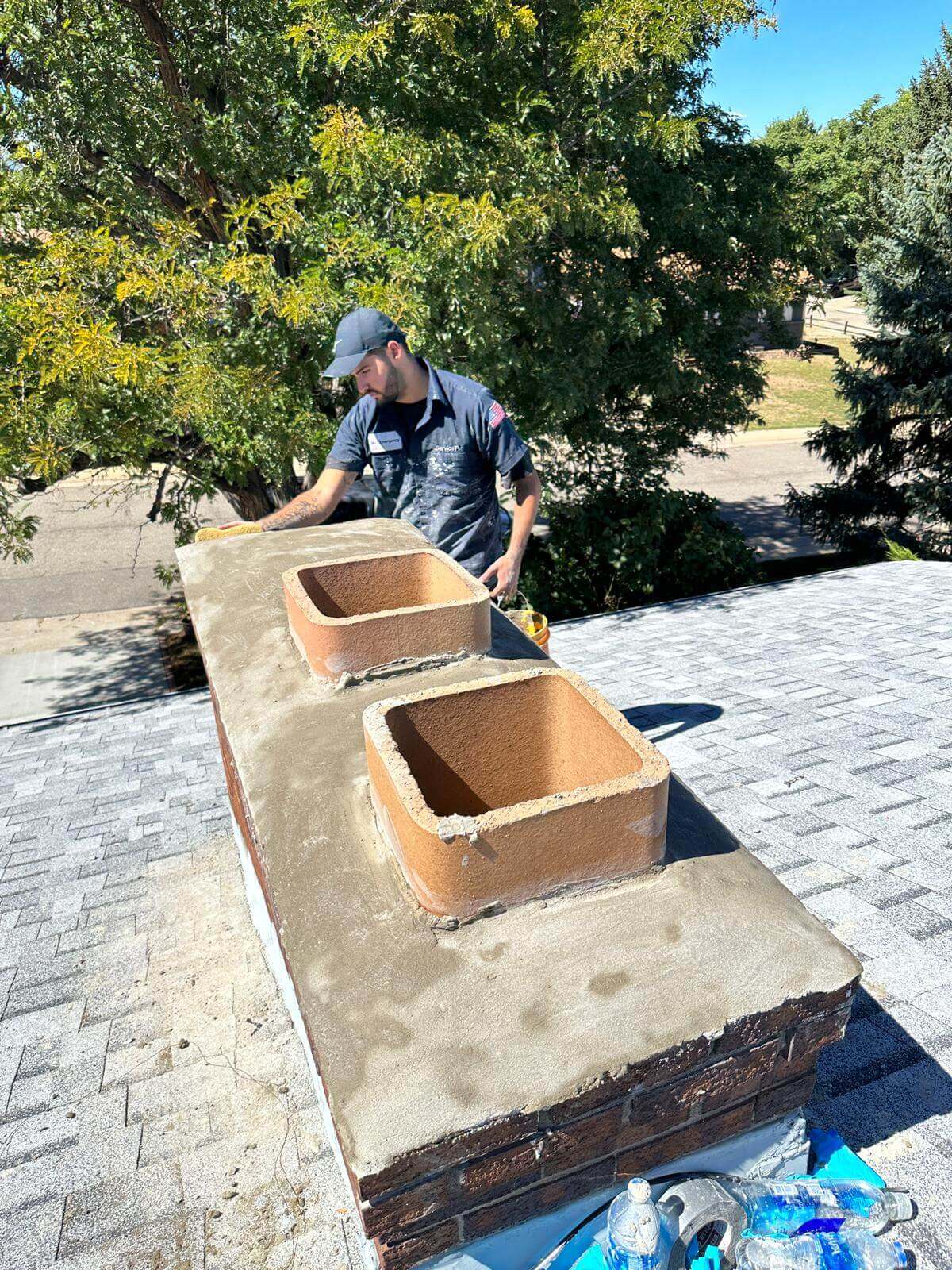


The Dangers of Spalling Chimney Bricks

Recognizing the Risks

Spalling bricks are more than a mere cosmetic issue; they pose significant risks:

  • Health Hazards: The presence of mold, which thrives in damp environments created by spalling, can pose serious health risks.
  • Structural Damage: Progressive spalling can lead to severe structural damage to the chimney and the surrounding areas of your home.
  • The danger of Collapse: In extreme cases, continuous neglect of spalling bricks can result in the chimney collapsing, posing a direct threat to the safety of the inhabitants.


Professional vs. DIY Repair

Choosing the Right Approach

  • While DIY repair might seem tempting, it’s essential to consider the complexity and risks of chimney repair. Hiring a certified chimney sweep is the safer and more practical option for most homeowners.
  • Professional repair ensures a thorough job, as experts can identify and address apparent damages and underlying issues that might be missed in a DIY approach.


Essential Tools for Repair

Tool Kit for Spalling Brick Repair

If you decide to undertake DIY repair, you will need:

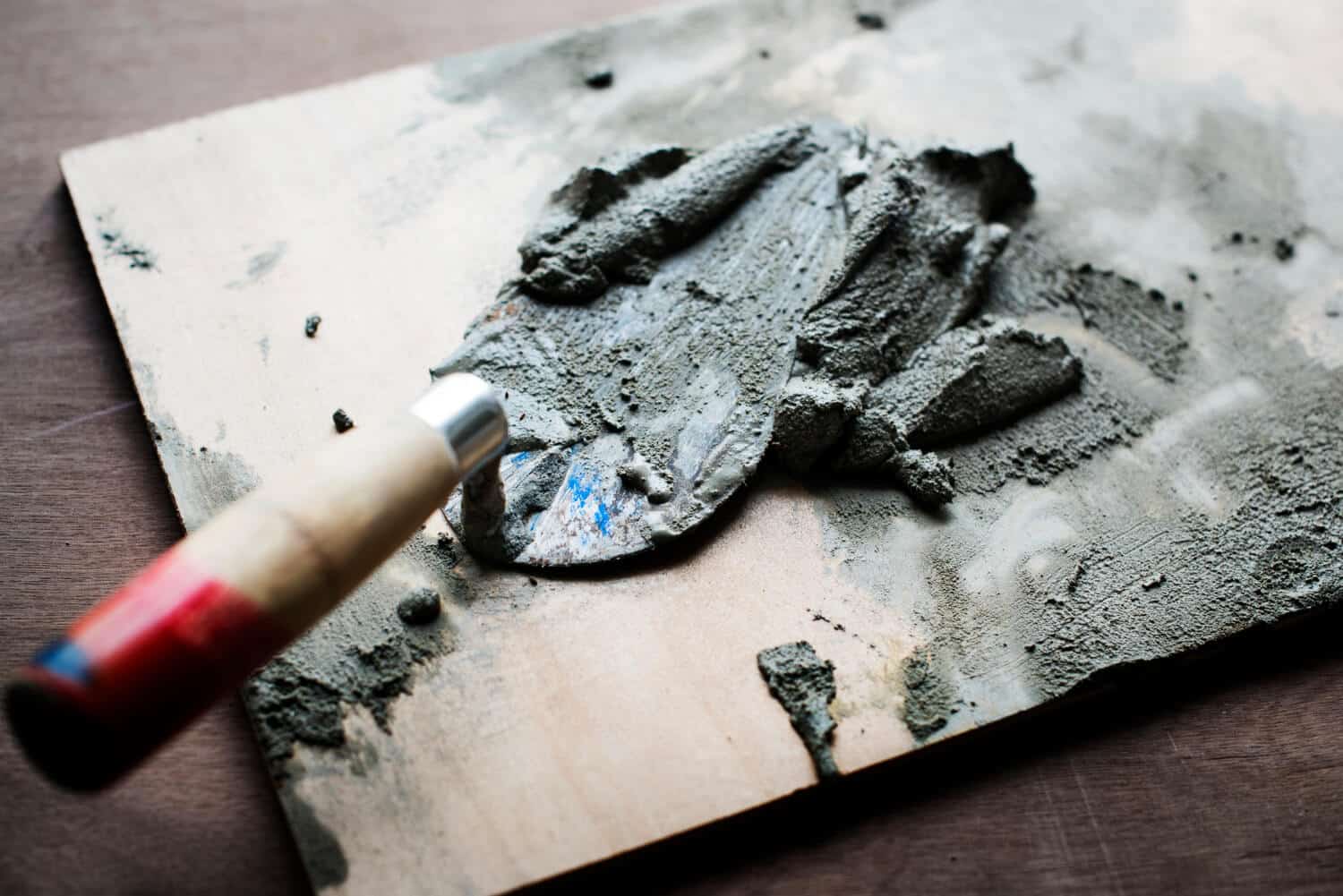
  • Necessary Tools: This includes a cold chisel, club hammer, sharp trowel, water, mortar, and replacement bricks.
  • Drilling Equipment: A 6-8mm masonry bit drill is essential for removing damaged bricks and preparing the site for new ones.
  • Safety Gear: Pay attention to the importance of protective equipment such as gloves, goggles, and a dust mask.

Each tool is critical in repairing and ensuring damaged bricks are replaced safely and effectively.
 

Diagnosing the Damage

Assessment Strategies

  • Visual Inspection: Conduct a thorough visual examination of the chimney, focusing on mortar joints, chimney caps, crowns, and visible brick surfaces.
  • Identifying Leaks: Look for signs of water penetration, as leaks are a standard indicator of underlying problems.
  • The extent of Damage: Assess the severity. If more than a few bricks per wall are damaged, it might indicate a deeper structural issue, calling for professional intervention.

Step-by-Step Guide to Repairing Spalling Bricks

Repair Process

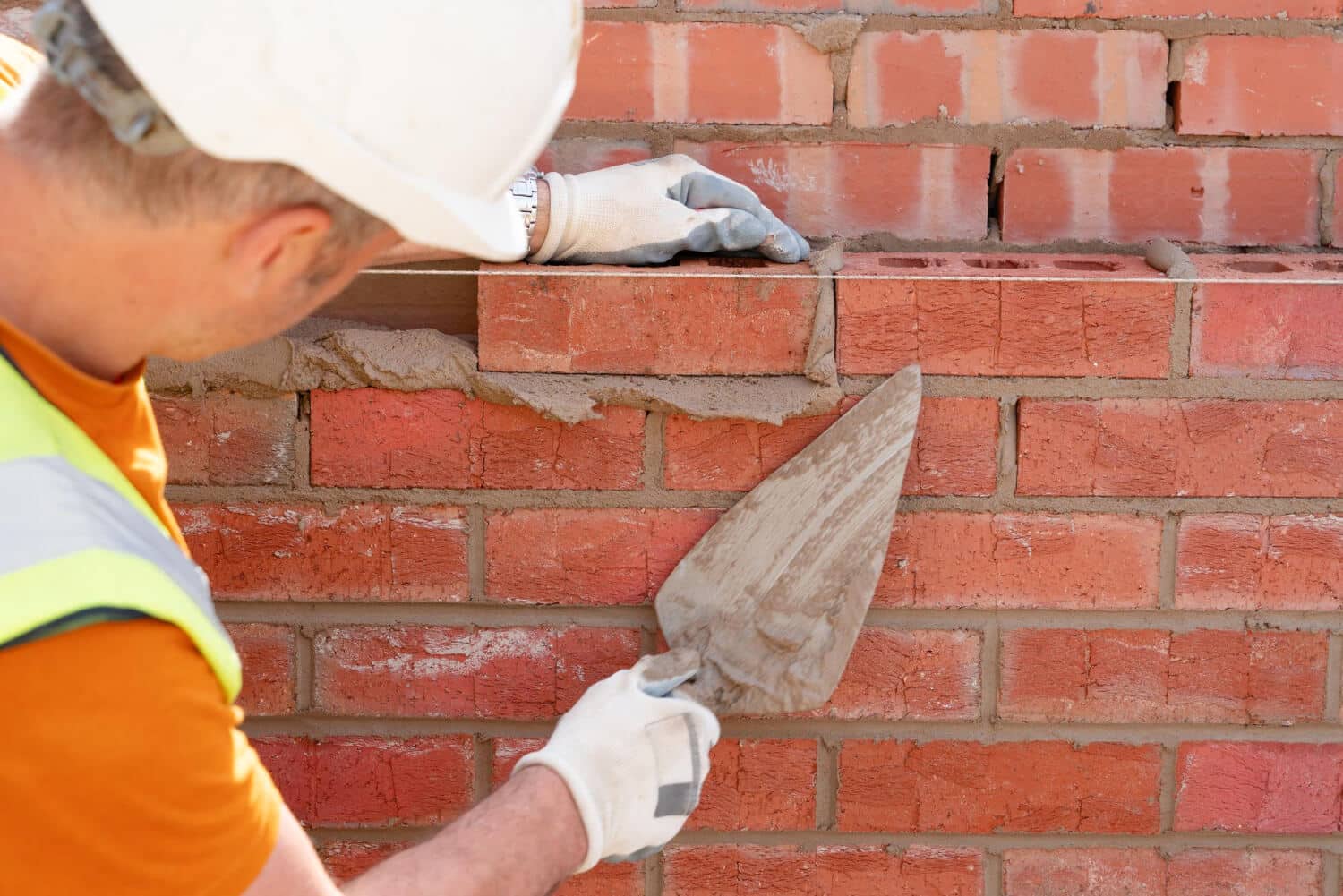
  1. Removing Damaged Bricks: Carefully chisel out the spalled bricks without damaging surrounding areas.
  2. Preparing the Site: Clean the area for new bricks and mortar.
  3. Mortar Application: Mix and apply mortar meticulously, ensuring a solid bond for the new bricks.
  4. Brick Replacement: Place the new bricks carefully, ensuring they align and fit snugly with the existing structure.
  5. Finishing Touches: Apply finishing touches to the mortar and clean up excess material for a neat appearance.

Preventative Measures and Maintenance Tips

Avoiding Future Spalling

  • Regular Inspections: Conduct periodic inspections, especially after extreme weather conditions.
  • Quality Materials: Use high-quality bricks and mortar for any repairs or construction.
  • Proper Cleaning: Avoid harsh cleaning methods that can damage brick surfaces.
  • Weatherproofing: Apply sealants to protect against moisture penetration.

Maintenance is vital to preventing spalling and ensuring the longevity and safety of your chimney.


When to Call the Professionals

Recognizing the Need for Expert Intervention

  • Complex Repairs: Professional expertise is crucial when the damage is extensive or involves complex structural issues.
  • Safety Concerns: If the repair process poses potential safety hazards, it’s best to rely on experienced professionals.
  • Assurance of Quality: Professionals bring expertise that ensures long-lasting and effective repairs, preventing future issues.

The Importance of Regular Inspections

Preventative Maintenance

  • Early Detection: Regular inspections help in identifying potential issues before they escalate.
  • Cost-Effectiveness: Addressing minor issues can save significant repair costs in the long run.
  • Safety Assurance: Routine inspections ensure your chimney’s structural integrity and safety.


Cost Considerations in Repairing Chimney Spalling Bricks

Budgeting for Repairs

  • DIY vs Professional Costs: Weigh the cost of DIY repairs against hiring professionals, considering the long-term effectiveness and potential risks.
  • Material Quality: Investing in high-quality materials may have a higher upfront cost but can lead to savings by preventing frequent repairs.
  • Long-Term Investment: View chimney repairs as an investment in your property’s value and safety.


Common Mistakes to Avoid in Repair

Valuing Professional Expertise

  • Underestimating the Problem: Homeowners often misjudge the severity of spalling, leading to inadequate repairs. Professionals can accurately assess and address the extent of damage.
  • Inappropriate Techniques: DIY attempts may use incorrect materials or methods, worsening the issue. Professional masons have the right skills and tools.
  • Safety Risks: Repairing chimneys can be hazardous. Trained professionals ensure safe and compliant repairs, minimizing risks.

The Role of Weather and Climate in Spalling

Expert Adaptation to Environmental Conditions

  • Professional Assessment: Professionals understand how local weather patterns affect brickwork and can provide tailored solutions.
  • Durable Repairs: Experts ensure that repairs withstand your specific climate challenges, from freezing temperatures to high humidity.
  • Long-Term Solutions: Professionals can offer weather-resistant materials and techniques, adapting repairs to local environmental conditions.


Conclusion and Final Recommendations

Prioritizing Professional Assistance

  • Reliable Repairs: Engage with professionals for thorough, reliable repairs that stand the test of time and weather.
  • Regular Professional Inspections: Schedule regular professional inspections to catch early signs of spalling and address them promptly.
  • Investing in Expertise: Investing in professional services ensures safety and maintains your property’s value.

In conclusion, while homeowners can play a role in identifying spalling issues, the complexity and risks associated with chimney repairs make professional intervention the recommended course of action.


The post DIY VS PRO Repairing Bricks Chimneys appeared first on Chimney Service Conifer - Sweep And Repair.

]]>
https://chimneyserviceconifer.com/2023/11/29/diy-vs-pro-repairing-chimney/feed/ 0 41